
Understanding Gambling Safeguards – Limits, Verification, and Self-Exclusion in Azerbaijan
In Azerbaijan, the conversation around gambling increasingly focuses on responsible participation and robust player protection. As the digital landscape evolves, so do the tools designed to ensure a safe environment for users. This guide examines the critical frameworks-deposit limits, Know Your Customer (KYC) procedures, and self-exclusion mechanisms-that form the cornerstone of player safety. These measures are not just technical requirements; they represent a commitment to fostering a controlled and transparent ecosystem for all participants, aligning with both local expectations and international standards for consumer protection in the gaming sector. Understanding these tools empowers individuals to make informed decisions, a principle that platforms like mostbet az and others operating in the region are required to integrate into their operations.
Financial Control Mechanisms – Setting Personal Limits
A fundamental aspect of responsible gambling is the ability for players to manage their spending proactively. Financial control tools are designed to prevent excessive expenditure by allowing individuals to set predefined boundaries on their activity. These are not merely suggestions but enforceable limits that the system upholds, providing a practical barrier against impulsive behavior. In Azerbaijan, where financial prudence is highly valued, these tools offer a culturally resonant method for maintaining balance.
The effectiveness of these controls hinges on their accessibility and clarity. Players should be able to set, adjust, and review their limits with ease, typically through a dedicated section in their account settings. The immediacy of these changes is crucial for them to serve as an effective safety net.
Types of Account Limits Available
Different limit types target specific risk areas, offering a layered approach to financial management. It is common to encounter several distinct categories, each serving a unique protective function.
- Deposit Limits: This is the maximum amount of money a player can deposit into their account within a chosen timeframe-daily, weekly, or monthly.
- Loss Limits: A threshold for the total net loss a player is willing to accept in a set period, after which further wagering is restricted.
- Wagering Limits: Controls the total amount of money that can be staked on games or bets, independent of wins or losses.
- Session Time Limits: Allows players to cap the duration of a single continuous playing session, after which they are logged out or receive a strong reminder.
- Cool-off Periods: A temporary break from gambling, which can be set for a short duration like 24 hours or 7 days, providing time for reflection.
KYC Procedures – The Foundation of Security and Trust
Know Your Customer, or KYC, is a mandatory verification process that forms the bedrock of a secure and lawful gambling environment. In Azerbaijan, this process is critical for preventing fraud, money laundering, and underage access. It involves collecting and verifying official documents to confirm a user’s identity, age, and residence. While it may seem like a procedural step, its role in player protection is profound, as it ensures that all participants are who they claim to be and are legally permitted to engage in the activity.
The process typically requires submitting scanned copies or clear photographs of identification documents. The verification is usually completed within a short timeframe, and until it is done, account functionalities, particularly withdrawals, are often limited. This safeguards both the platform and the player from unauthorized transactions.
| Document Type | Purpose | Common Examples in Azerbaijan |
|---|---|---|
| Proof of Identity | Verifies name, date of birth, and photo. | National ID card (Şəxsiyyət vəsiqəsi), International Passport. |
| Proof of Address | Confirms current residential location. | Utility bill (electricity, water), Bank statement, Official tax document. |
| Payment Method Verification | Links the financial instrument to the verified identity. | Clear image of the bank card (with middle digits hidden), e-wallet account screenshot. |
| Additional Verification | Requested in specific cases for enhanced security. | Selfie with ID document, video verification call. |
Self-Exclusion – A Definitive Step for Personal Control
Self-exclusion is the most powerful tool available to individuals who feel their gambling habits are becoming problematic. It is a voluntary process where a player requests to be blocked from accessing their gambling account for a significant, self-selected period. In Azerbaijan, recognizing the need for such a definitive option reflects a mature approach to consumer welfare. This tool is designed for those who have tried softer limits without success and need a more substantial barrier to help regain control.

The commitment is serious. Once enacted, the self-exclusion period cannot typically be reversed prematurely. This “cooling-off” period is crucial, as it provides the necessary distance from the activity to break compulsive cycles and seek alternative support if needed.
- Duration Options: Self-exclusion periods are usually offered in tiers, such as 6 months, 1 year, 2 years, or even permanently (5 years or more).
- Scope of Exclusion: The block should apply across all services offered by the operator, including casino games, sports betting, and any other gambling products.
- Account Status: During exclusion, the account is frozen. Deposits are rejected, and betting is disabled. Access to funds for withdrawal may still be provided.
- Reactivation Process: After the chosen period expires, the account is not automatically reopened. The individual must usually contact customer support to request reactivation, which may involve a waiting period or a new verification check.
- Cross-Platform Awareness: While a single platform’s self-exclusion is effective there, individuals should be aware they need to repeat the process with any other platforms they use.
The Regulatory Context in Azerbaijan
The implementation of these protective tools does not occur in a vacuum; it is shaped by the national regulatory framework. Azerbaijan maintains specific laws governing gambling activities, focusing on licensing, taxation, and consumer protection. While the legal landscape continues to develop, a clear trend is the emphasis on operator responsibility to provide safe environments. This includes mandating the availability of the very tools discussed-limits, KYC, and self-exclusion-as part of their license obligations.
Regulators expect operators to not only offer these features but to promote their use actively and make them easily accessible. This shifts the paradigm from reactive problem-solving to proactive harm prevention. For players in Azerbaijan, this regulatory backing adds a layer of assurance that their safety is a legally endorsed priority, not just a voluntary corporate social responsibility initiative. For a quick, neutral reference, see overview of online gambling.
Integrating Tools into a Personal Safety Strategy
Knowing that tools exist is one thing; using them effectively is another. A personal safety strategy involves a conscious plan to utilize these protections before any issues arise. The most effective approach is preventative, not corrective. Setting reasonable deposit limits upon account registration, for instance, establishes healthy boundaries from the outset. Similarly, completing KYC promptly not only unlocks full account functionality but also formalizes your participation within a secure, accountable system. For general context and terms, see overview of online gambling.
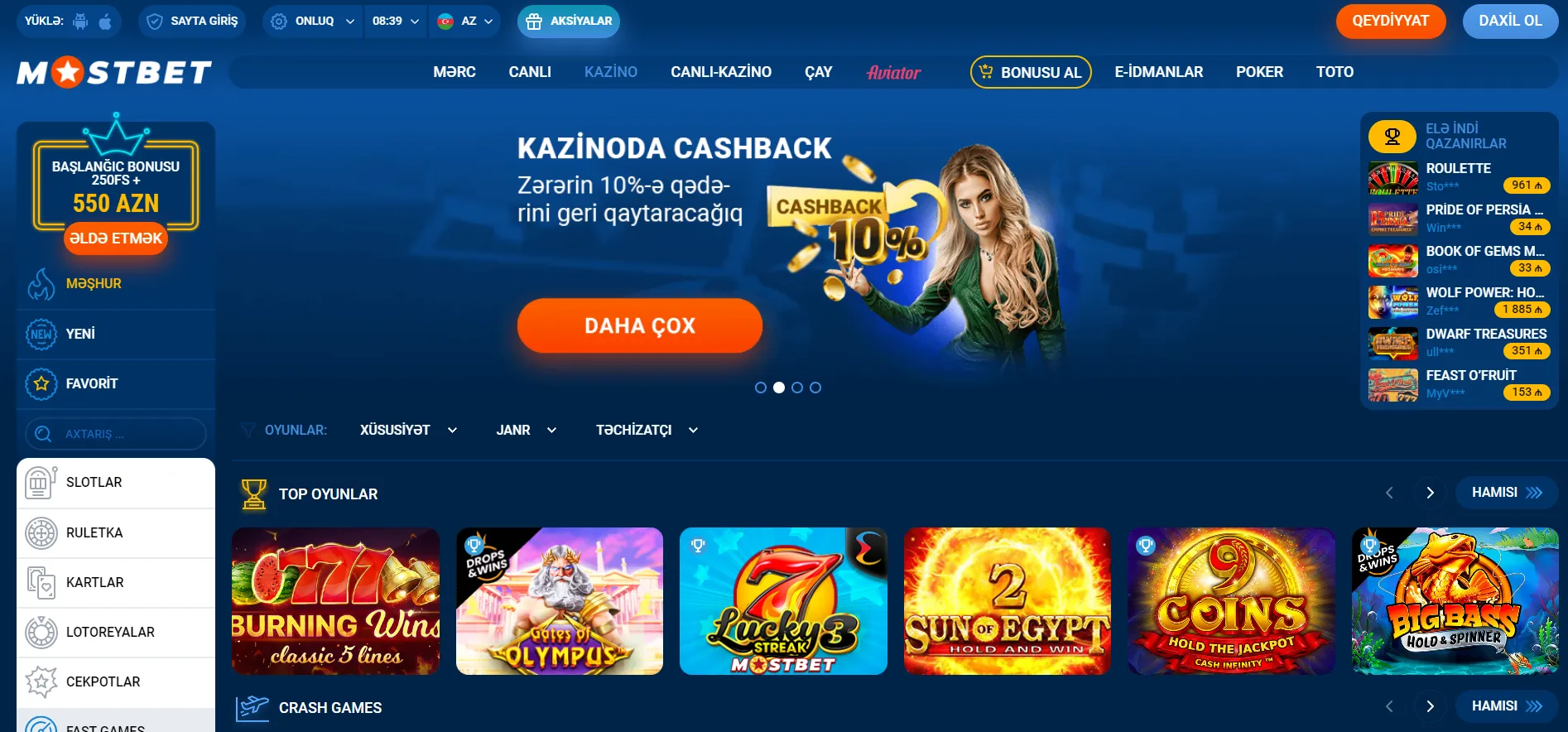
It is also wise to periodically review your limits and playing patterns. Life circumstances change, and your limits should reflect your current financial and personal situation. Treating these settings as dynamic, rather than set-and-forget, maximizes their protective value.
- Assess your monthly entertainment budget and set deposit limits accordingly during registration.
- Complete the KYC verification process immediately to secure your account and enable all features.
- Familiarize yourself with the location of the responsible gambling tools in your account settings.
- Consider implementing a session time limit to maintain awareness of time spent.
- If you ever feel your control slipping, utilize a short cool-off period before considering longer-term self-exclusion.
- Discuss your limits with a trusted friend or family member to add a layer of informal accountability.
- Keep track of your gambling activity through account statements to maintain objective awareness.
- Never attempt to circumvent your own limits by creating multiple accounts; this defeats their purpose and violates terms of service.
- Remember that self-exclusion is a sign of strength and a responsible choice, not a failure.
- Be aware of national support resources available for problem gambling, should you need them.
Technology’s Role in Enhancing Protection
Modern technology is a double-edged sword, offering both greater accessibility and more sophisticated safeguards. Advanced algorithms can now monitor playing patterns in real-time, flagging potential signs of risky behavior-such as rapidly increasing deposit amounts or very long sessions-and triggering personalized responsible gambling messages or prompts to review limits. In Azerbaijan, as digital platforms become more prevalent, these intelligent systems represent the next frontier in player protection.
Furthermore, biometric verification and secure digital ID systems could streamline the KYC process in the future, making it more seamless while enhancing security. The underlying principle remains: technology should serve to empower the player with more control and transparency, creating a safer digital environment that respects individual autonomy while providing robust safety nets.
Moving Forward with Awareness and Control
The landscape of player protection in Azerbaijan is built on a triad of personal limits, verified identity, and the ultimate option of self-exclusion. These tools, supported by a developing regulatory framework and enhanced by technology, provide a comprehensive system for managing risk. The true measure of their success lies in widespread awareness and proactive use. By understanding and utilizing these mechanisms, individuals can engage with gambling activities-where legally permitted-from a position of informed control, ensuring that the experience remains a form of entertainment rather than a source of harm. The ongoing evolution of these practices will continue to shape a safer and more responsible ecosystem for all participants.